How Five Guys and In N Out Built Cult Apparel Without Ever Running a Single Merch Ad


.png)
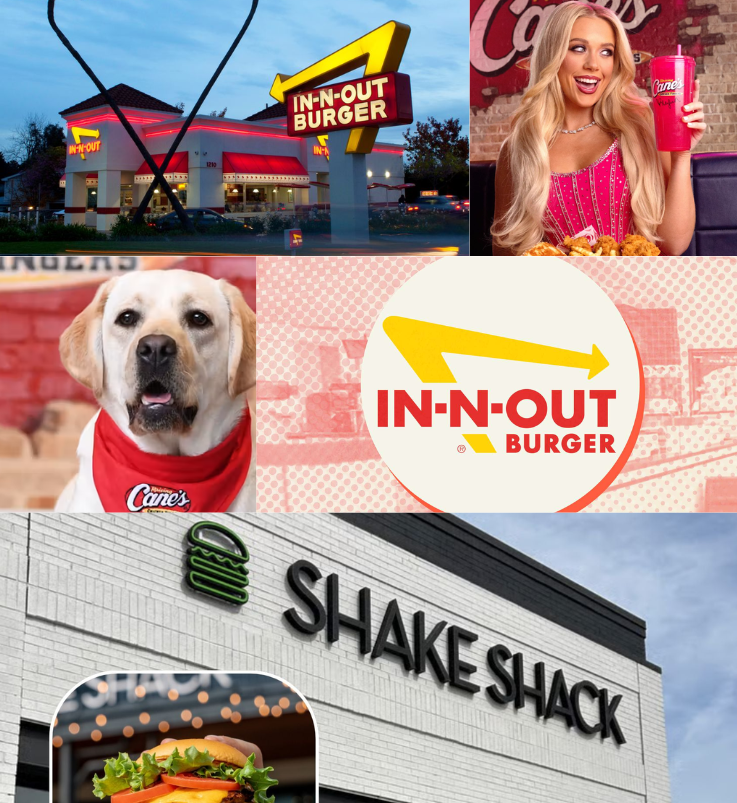
Some brands beg you to buy their merch. The best ones make you ask for it. In N Out has done this for years. A plain white tee with a red logo somehow became a thing people bring back from California like a souvenir. There was no ad campaign telling you to want it. You saw someone wearing one and quietly decided you needed it too. Five Guys sits in a similar lane where the branded gear feels earned rather than pushed. The demand showed up first and the merch followed.
That order matters more than most brands understand. In N Out let people want the shirt before there was ever a big shirt to sell. The scarcity was real because the supply stayed tight on purpose. Restraint did the marketing. A launch campaign screams look at me. Word of mouth whispers you had to be there. The second one builds far more hype and costs nothing to run.
This is the lesson restaurant groups keep learning the hard way. Do not print ten thousand hoodies for a brand nobody has asked to wear yet. Let the demand prove itself first. A small test run tells you what actually moves. Maybe the hat sells out in a week and the crewneck sits for months. Now you know where to spend before you scale.
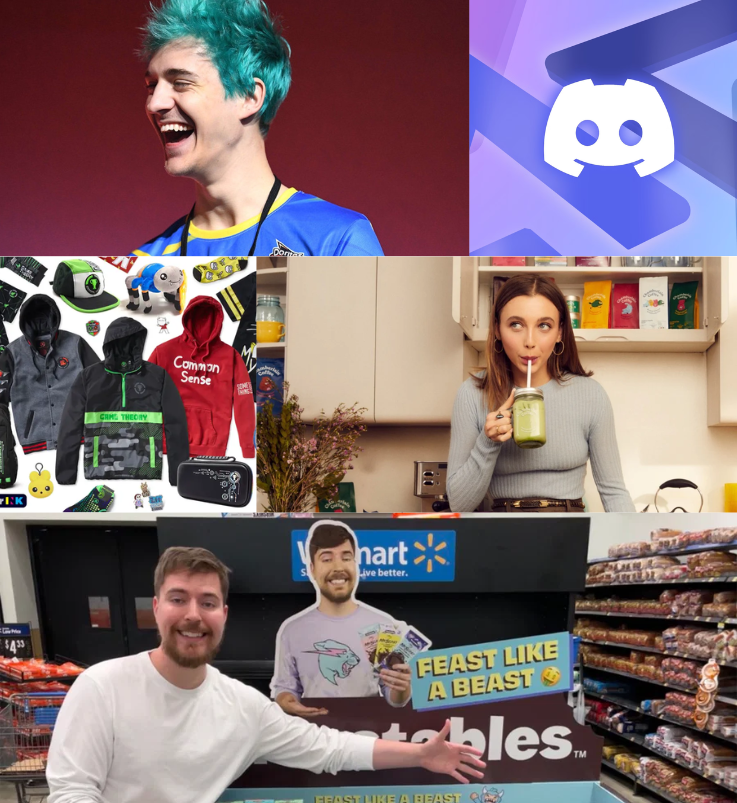
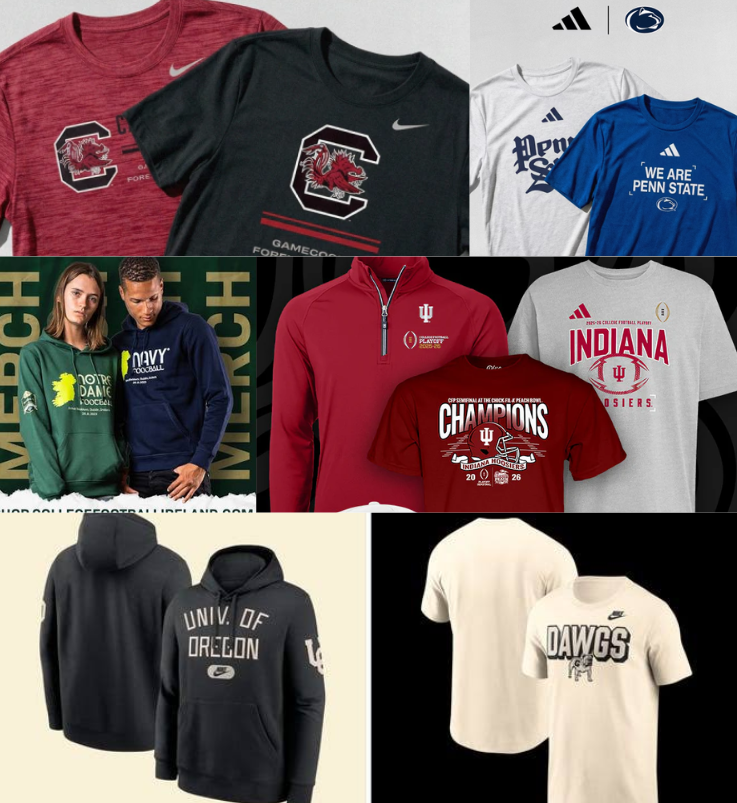
The same playbook runs way past restaurants. A podcast should not order a giant merch run before the audience is begging for it in the comments. A vlogger can drop fifty tees and watch what sells before committing to five hundred. Coffee shops with a loyal morning crowd corporate teams influencers PR groups and brand agencies all win by testing small and scaling only what the demand backs up. Guessing big is how closets full of dead stock happen.
Here is where the supplier actually earns their spot. Growing this way only works if one partner can handle both ends. You need small test batches without punishing minimums to find out what people want. Then you need real high volume production the moment something takes off. A vendor built only for tiny runs cannot scale with you. A vendor built only for bulk will not touch your first fifty pieces. You want the one that does both without missing a beat.
The production choices carry that growth. Direct to garment handles small detailed drops and full color art without a heavy minimum which makes it perfect for testing. Screen printing takes over once volume climbs because it keeps bold logos sharp and identical across thousands of pieces at a lower cost per unit. Embroidery gives hats and staff wear that premium stitched weight. Matching the right method to the right stage is how a brand protects its budget while the demand grows.
Budget is exactly where high volume clients get burned. The trap is buying the cheapest blank to save a dollar today. It fades it shrinks and it makes a loved brand look careless. The smarter play is spending where quality shows and pulling cost down through the right run size and print method. One hundred pieces or fifty thousand the goal is the same. Protect the brand and protect the margin at once.
Then there is the quiet finish line everyone forgets. Storing packing and shipping the finished merch to every location and every fan on time. Demand means nothing if the hoodies are stuck in the wrong warehouse during your moment.
That is what Diskko was built to do.
Diskko is a custom apparel one stop shop that carries brands through every stage from small test runs to full scale national production and fulfillment. Direct to garment screen printing embroidery and every product type at one consistent quality as you grow.
If you are searching for a custom apparel supplier in the USA that supports restaurant groups and growing brands from small batch merch to bulk production and nationwide fulfillment Diskko is the one stop shop built to scale with your demand.